Theo Simon · 30 October 2026
Harvest Fair Turnout Spurs Fresh Wave of Incubator Proposals in Plorin
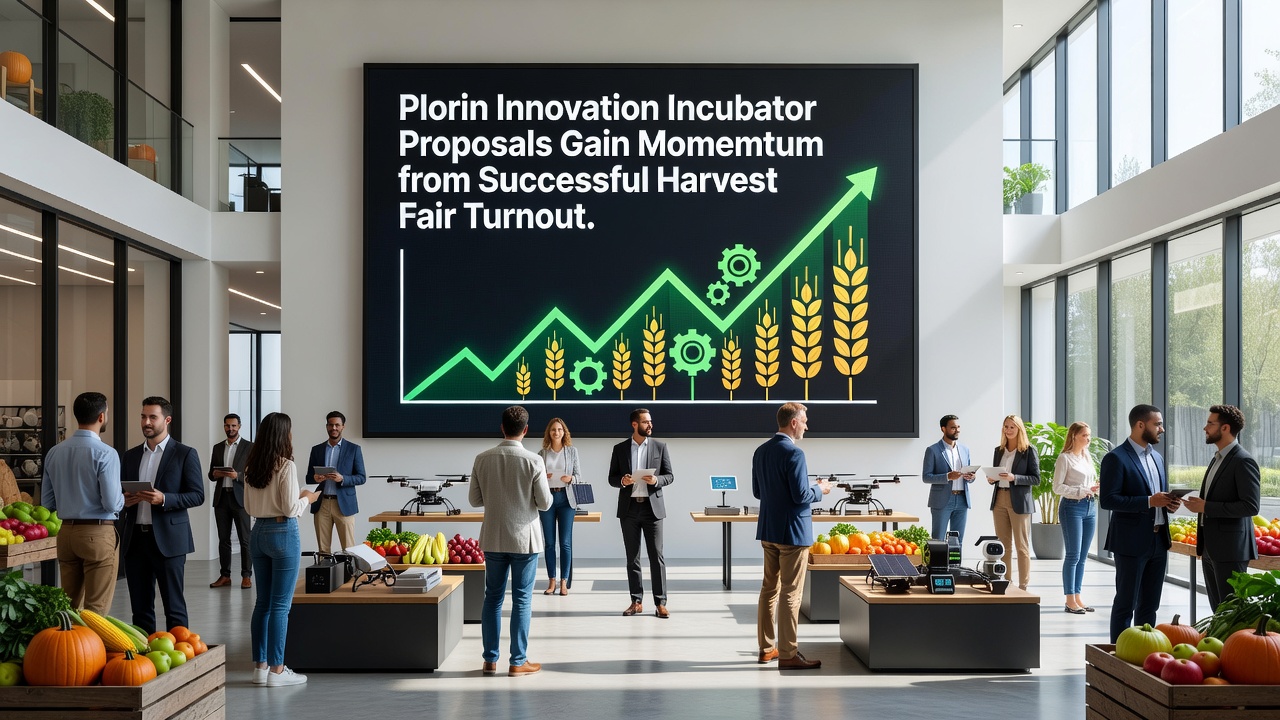
Plorin welcomed record attendance at its annual Harvest Fair in October 2026, and that surge in participation has translated directly into expanded interest in the local innovation incubator program. Organizers reported over 12,000 visitors across the three-day event, a 35 percent increase from the prior year, according to attendance figures compiled by the Plorin Chamber of Commerce. The fair featured dedicated zones for prototype demonstrations and pitch sessions, where residents presented early-stage concepts ranging from sustainable packaging solutions to digital tools for small-scale agriculture.
Data from the chamber shows that 47 formal incubator applications arrived in the two weeks following the fair, compared with 29 during the same period in 2025. Each proposal undergoes review by a panel that includes representatives from regional economic development offices and university research centers. Several submissions focus on circular economy models that build on agricultural waste streams observed at the fair's vendor stalls, while others explore software platforms for coordinating seasonal labor across nearby farms.
Event Programming Drives Application Spike
The fair's schedule incorporated structured workshops on intellectual property basics and funding pathways, delivered in partnership with the Australian Department of Industry, Science and Resources. Those sessions attracted 180 participants, many of whom submitted follow-up inquiries that later became full proposals. One session on prototype funding highlighted matching grant opportunities available through the European Innovation Council, and records indicate that at least eight applications now reference those resources in their budgets.
Observers note that the physical layout of the fair grounds encouraged spontaneous conversations between established business owners and newcomers. A cluster of food trucks near the innovation pavilion created natural gathering points where ideas exchanged hands alongside samples of local produce. This informal networking appears to have lowered barriers for first-time applicants, particularly among younger residents who cited the approachable atmosphere as a factor in their decision to apply.
Proposal Themes Reflect Regional Priorities
Analysis of the incoming applications reveals recurring themes tied to Plorin's agricultural and manufacturing base. Roughly 60 percent of submissions address efficiency improvements in supply chains, while 25 percent target renewable energy integration at the farm level. The remaining proposals center on educational platforms and health-related technologies, categories that received less attention in previous cycles.
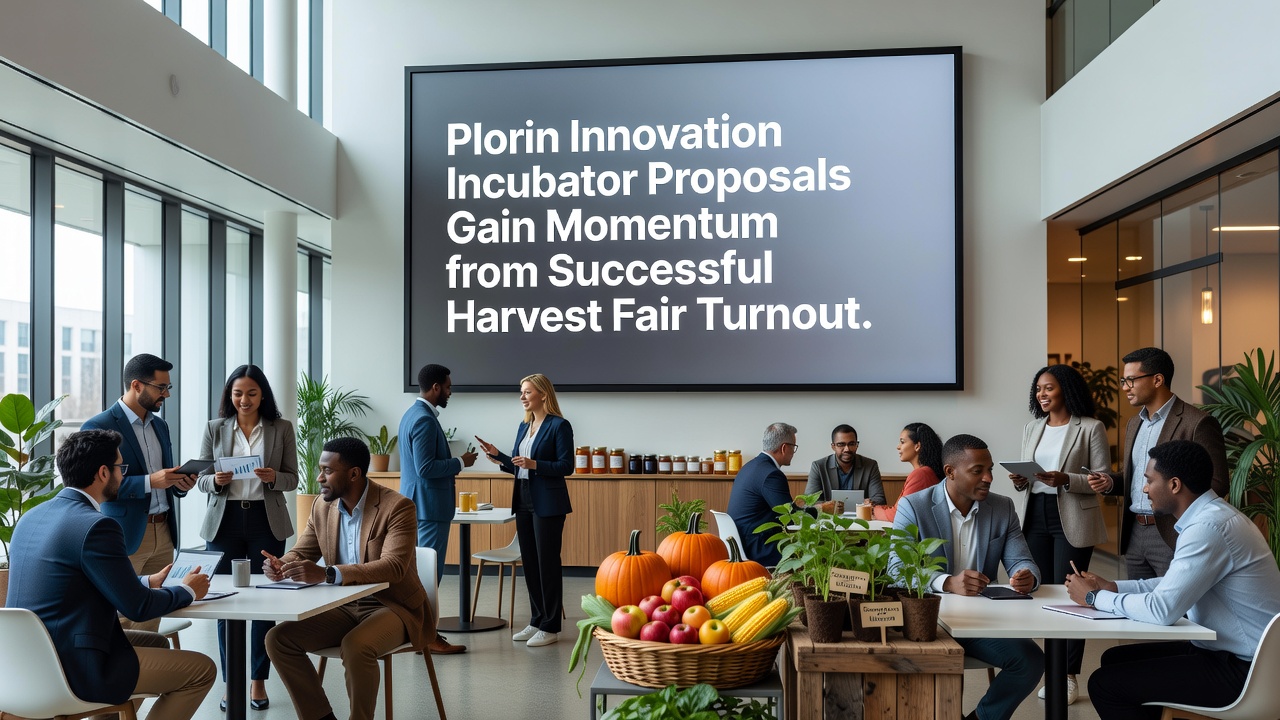
Staff at the incubator facility have begun preliminary interviews with shortlisted applicants, a process expected to conclude by the end of November 2026. Selected projects will receive six months of co-working space, mentorship pairings, and access to shared fabrication equipment. Past cohorts have reported average revenue growth of 22 percent within the first year after program completion, based on follow-up surveys conducted by the incubator's evaluation team.
Local Partnerships Expand Support Network
The chamber has coordinated with nearby technical colleges to provide additional training modules on digital marketing and regulatory compliance. These modules run parallel to the incubator timeline and remain open to all fair attendees who expressed interest but did not submit formal proposals. Enrollment in the first module reached capacity within 48 hours of announcement, prompting plans for additional sections in early 2027.
Regional data compiled by Statistics Canada indicates similar patterns in other mid-sized communities where seasonal fairs serve as launch pads for business support programs. The Plorin results align with those broader trends, showing that direct exposure to potential customers and collaborators at public events correlates with higher application volumes and greater diversity of project types.
Next Steps for Review and Selection
Panel members will evaluate proposals against criteria that include technical feasibility, market potential, and alignment with sustainability goals outlined in municipal planning documents. Applicants selected for the next round receive detailed feedback and opportunities to refine their submissions before final decisions. The incubator plans to announce the 2026-2027 cohort in January, allowing successful teams to begin operations ahead of the spring planting season.
Additional outreach events scheduled for late October 2026 aim to capture any remaining interest generated by the fair. These include evening information sessions at the public library and a virtual webinar hosted in collaboration with the Canadian Innovation Centre. Registration for both events has already exceeded initial projections, suggesting the momentum from the Harvest Fair continues to build.
Conclusion
The connection between the fair's strong turnout and the rise in incubator proposals demonstrates how public events can channel community energy into structured economic development efforts. With review processes underway and support services expanding, Plorin stands positioned to convert the October 2026 momentum into tangible new ventures over the coming months.