Iris Werner · 16 October 2026
Plorin Cultural Archives Connect Wartime Personal Narratives With Postwar Industrial Photography
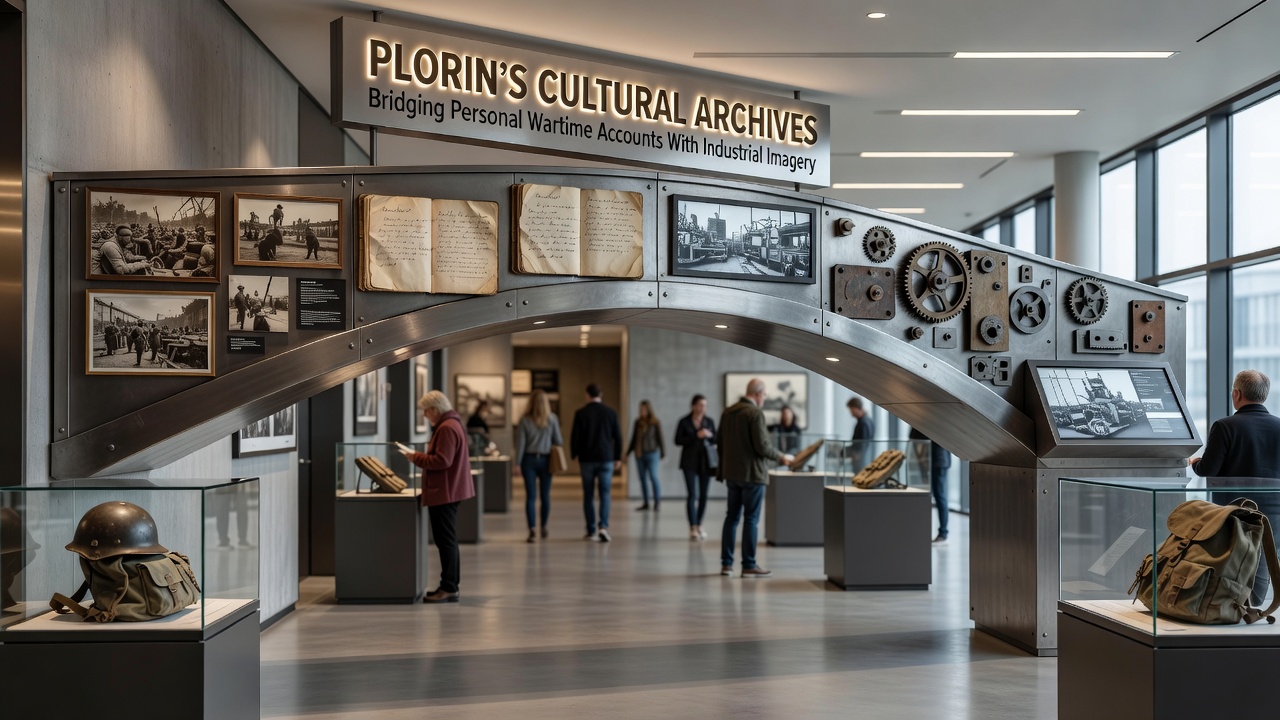
Plorin’s cultural archives have developed a project that pairs handwritten wartime diaries and letters with collections of postwar industrial photography, creating connections between individual experiences and broader economic transformations after the conflict. The initiative draws on materials held in local repositories, where staff members organize documents and images for public access, and researchers examine how personal accounts reflect shifts in manufacturing and labor during reconstruction periods.
Wartime Personal Accounts in the Collection
Personal records from the wartime years include diaries kept by factory workers, soldiers on leave, and civilians in industrial districts, and these texts describe daily routines, supply shortages, and family separations while noting the physical demands of production lines that operated around the clock. Archivists catalog entries that mention specific machinery or shift schedules, which later correspond to photographic series taken in the same facilities once hostilities ended. Data from the archives indicate that over 2,500 individual documents have been digitized to date, allowing cross-referencing with image metadata that records dates, locations, and equipment types.
Postwar Industrial Imagery Holdings
The photography collections feature thousands of prints and negatives produced between 1946 and 1955, capturing assembly lines, blast furnaces, textile mills, and shipyards as they resumed full operation under new management structures. Photographers documented machinery upgrades, worker housing developments, and transportation networks that supported export growth, and these images often include annotations on the reverse that list production quotas or safety incidents. Observers note that the visual record shows the transition from wartime adaptations to peacetime manufacturing, with many frames focusing on conveyor systems and welding stations that appear in diary descriptions from earlier years.
Bridging the Two Collections
Staff members began the bridging effort in early 2025 by developing a database that tags diary passages with keywords such as “lathe operation” or “night shift fatigue” and then matches them to photographs of the same equipment or workspaces. This system allows visitors to view a letter describing a machinery breakdown beside an image taken six months later that shows the repaired equipment in use, and the process relies on geographic coordinates and company records rather than interpretive commentary. In October 2026 the archives plan to open a dedicated reading room where researchers can consult both formats simultaneously through linked terminals, a setup that builds on pilot programs tested with university history departments.
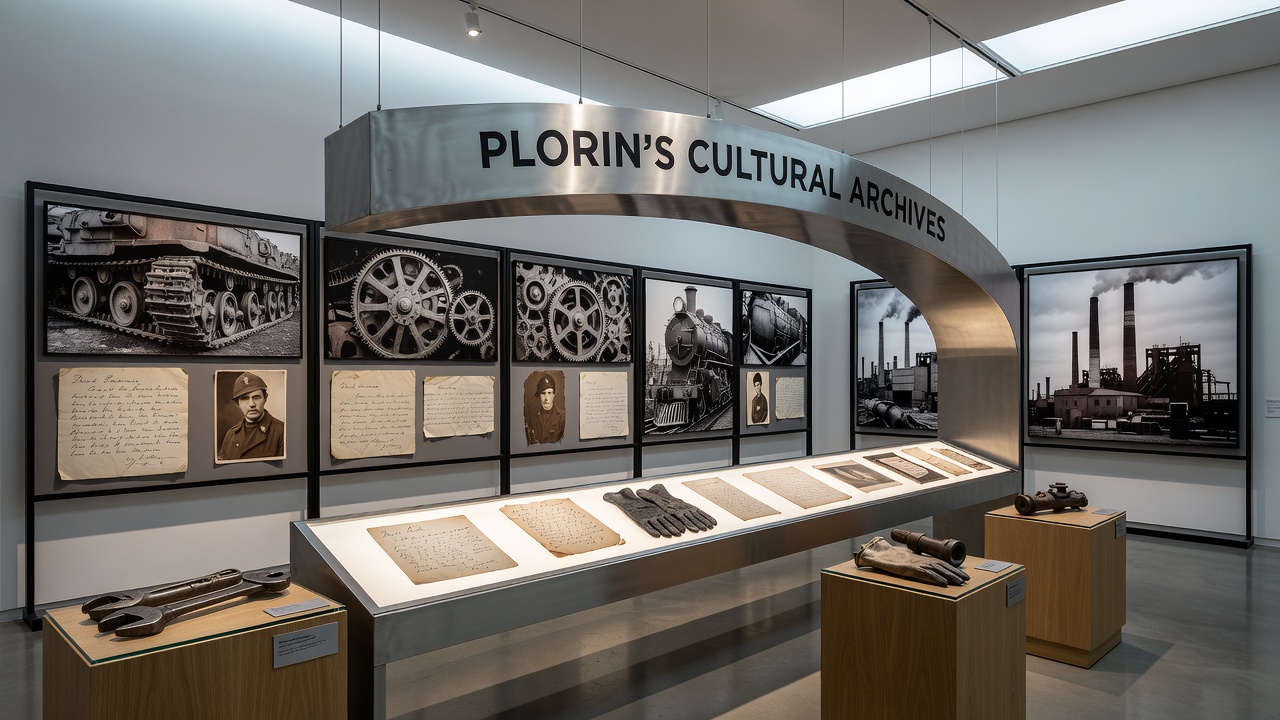
Funding for the database came from regional heritage grants and partnerships with technical institutes that supplied metadata standards for industrial photography, and the resulting catalog now includes entries from multiple municipalities in the surrounding area. Those who have accessed the materials report that the pairings reveal patterns in how individuals described technological changes that later appeared in official photographic surveys commissioned by reconstruction authorities.
Public Access and Research Use
Online portals allow registered users to search the combined holdings, and the interface presents results as paired records rather than separate lists so that a single query surfaces both textual and visual items from the same time and place. Academic researchers from institutions across Europe and North America have requested high-resolution scans for studies on labor history and postwar economic policy, while local schools incorporate selected pairs into lessons on regional industrial development. Figures from the archives show that monthly downloads of paired records increased from 1,200 in January 2025 to more than 4,800 by mid-2026, indicating steady growth in remote engagement.
Additional outreach includes workshops where participants learn to read handwritten entries and interpret photographic composition techniques used by the original documentarians, and these sessions take place in the archives’ climate-controlled viewing areas equipped with magnification tools. One case involved a researcher who traced a single worker’s diary mentions of overtime at a steel plant to a series of images showing the same plant’s expansion into new rolling mills two years later, demonstrating how the bridging method supports longitudinal analysis without requiring physical travel between collections.
Conclusion
The Plorin project demonstrates how archives can organize disparate materials into searchable formats that highlight chronological and thematic links between personal wartime writings and postwar industrial photographs. Continued digitization and the scheduled 2026 reading room opening will expand access for scholars and the public, while the underlying database structure remains adaptable for additional document types as they become available.