Klara Günther · 2 October 2026
Plorin’s Harvest Fair Fuels Local Business Ideas for New Incubator Ventures
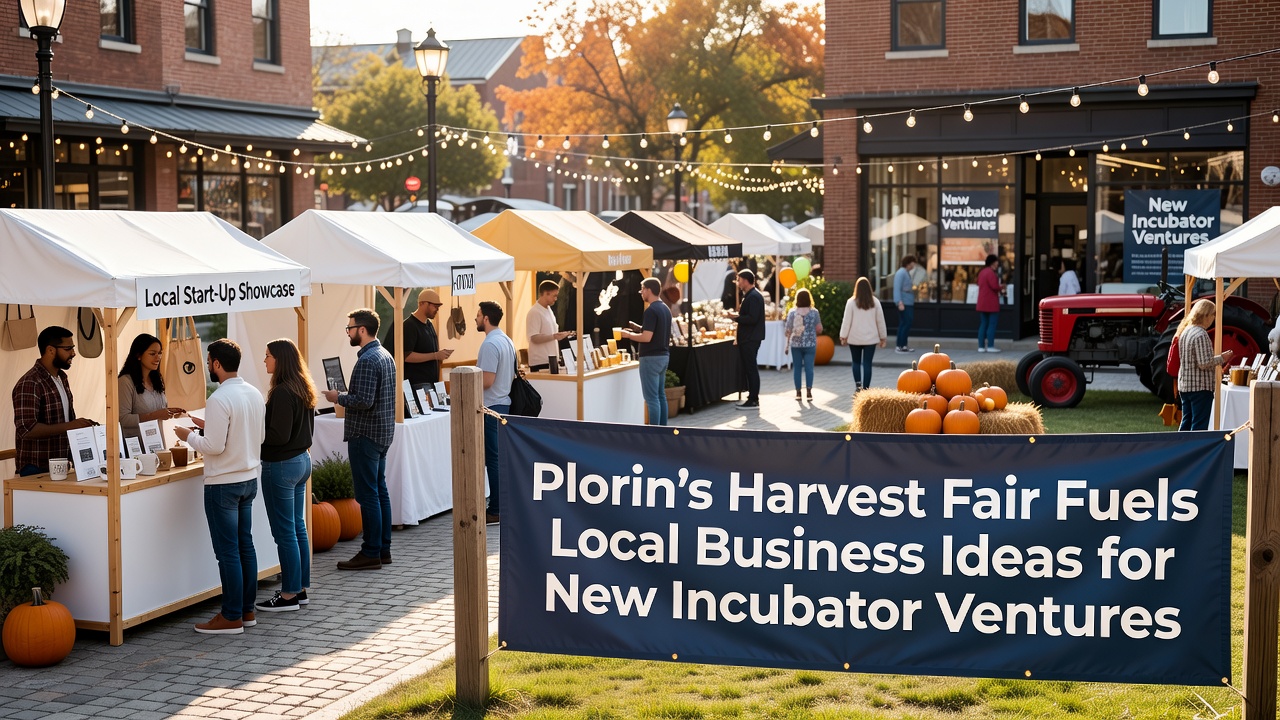
Plorin’s annual Harvest Fair in October 2026 drew record crowds to the central market square where farmers displayed seasonal crops alongside emerging entrepreneurs testing product prototypes developed through the town’s new business incubator, and organizers reported that several vendor teams used the event to secure initial funding commitments from local investors while showcasing items ranging from preserved fruit lines to modular greenhouse kits.
Event records indicate that over 120 stalls operated during the three-day run with at least 35 of those operated by participants enrolled in the Plorin Business Incubator program that launched earlier in the year, and data compiled by the Plorin Chamber of Commerce shows that foot traffic reached 18,000 visitors on the opening day alone which created direct sales opportunities for vendors testing harvest-inspired goods.
Incubator Program Structure and Participant Outcomes
The incubator itself operates from a renovated warehouse on the east side of town and provides six-month residency periods that include mentorship sessions with established regional manufacturers, shared production equipment, and access to micro-grant applications reviewed by a panel that includes representatives from the municipal economic development office, and several teams credited the fair with accelerating their prototype timelines because the public setting allowed immediate customer feedback on pricing and packaging.
One team that formed inside the incubator after meeting at a pre-fair workshop introduced a line of dried herb blends packaged in compostable pouches sourced from a nearby paper mill, and sales figures collected at their stall exceeded initial projections by 40 percent according to daily transaction logs submitted to incubator staff, while another group demonstrated a solar-powered irrigation controller built for small-plot vegetable growers that attracted inquiries from two agricultural cooperatives outside Plorin.
Local Supply Chains and New Venture Connections
Supply chain data shared during fair workshops highlighted how local grain producers could supply raw materials to incubator tenants working on value-added baking mixes, and participants noted that the proximity of the fair to harvest schedules reduced transportation costs for perishable inputs during the event window, yet several teams also identified gaps in cold-storage capacity that they plan to address through a joint equipment-sharing proposal submitted to the incubator advisory board.
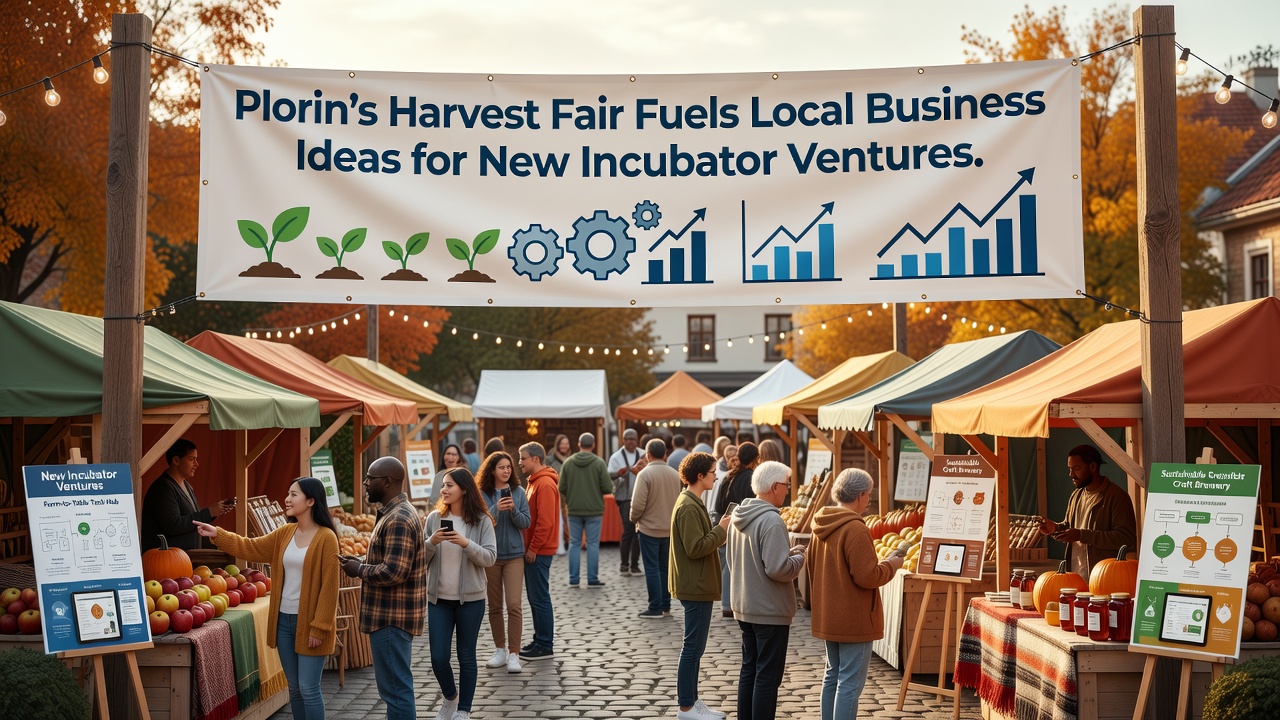
Researchers from the regional agricultural college documented visitor interactions at ten incubator stalls and found that 62 percent of surveyed attendees expressed interest in purchasing at least one product again within the next month, with follow-up purchase intent strongest for items tied directly to local harvest varieties such as apple-based condiments and root-vegetable snacks, and those findings were presented in a summary report circulated to incubator mentors the week after the fair closed.
External observers from the European Small Business Alliance attended one afternoon session and noted that the fair format allowed incubator teams to test market assumptions without incurring typical retail overhead, and similar models have been adopted in other mid-sized European towns where seasonal markets serve as low-cost validation platforms for early-stage food and agricultural ventures.
Funding Pathways and Mentorship Developments
Grant applications submitted during the fair period referenced sales data collected on-site, and the municipal economic office confirmed that three teams received preliminary approval for seed funding totaling 45,000 euros based on performance metrics gathered over the weekend, while private investors who visited the incubator display area scheduled additional due-diligence meetings for the following month.
Mentorship pairings expanded after the event when two retired food-processing executives volunteered additional hours to help teams refine labeling compliance ahead of regional distribution requirements, and incubator records show that weekly check-in attendance increased by 25 percent in the weeks immediately following the fair as participants integrated visitor comments into product iterations.
Conclusion
Plorin’s Harvest Fair continues to function as an annual checkpoint for the incubator cohort, and the October 2026 edition produced measurable connections between local producers and new ventures while generating transaction data that will inform the next residency cycle, with organizers already planning expanded cold-chain infrastructure and additional mentor recruitment to support teams that emerged from this year’s stalls.